If you’ve ever sliced your knuckle trying to peel a russet potato with a dull, wobbly peeler, you know this isn’t just about convenience—it’s about safety, efficiency, and sanity. In the world of home improvement, even the smallest tools matter. A reliable potato peeler might seem trivial next to power drills or smart thermostats, but in the kitchen—a core part of any functional home—it’s a daily workhorse. This guide cuts through the clutter to show you exactly which potato peeler type what tool are best suited for different tasks, skin types, and hand strengths.
Table of Contents
- Why Potato Peelers Matter in Home Improvement
- How to Choose and Use the Right Potato Peeler
- Best Practices for Potato Peeler Maintenance
- Real-World Results: Which Type Performs Best?
- Frequently Asked Questions
Key Takeaways
- Not all peelers are equal—blade type, handle ergonomics, and material drastically affect performance.
- Y-shaped peelers offer more control; straight/swivel peelers remove less waste.
- A dull blade is dangerous—sharpness reduces slippage and injury risk.
- Stainless steel blades last longer and resist rust better than carbon steel.
- Your potato peeler type what tool are choice should match your dominant hand, grip strength, and typical produce.
Why Potato Peelers Matter in Home Improvement
In home improvement, we often overlook “small” tools—but kitchen efficiency directly impacts daily living quality. According to the U.S. Consumer Product Safety Commission, over 37,000 emergency room visits annually stem from knife-related kitchen injuries—many involving makeshift peeling tools or worn-out peelers. A proper peeler isn’t just about speed; it’s injury prevention.
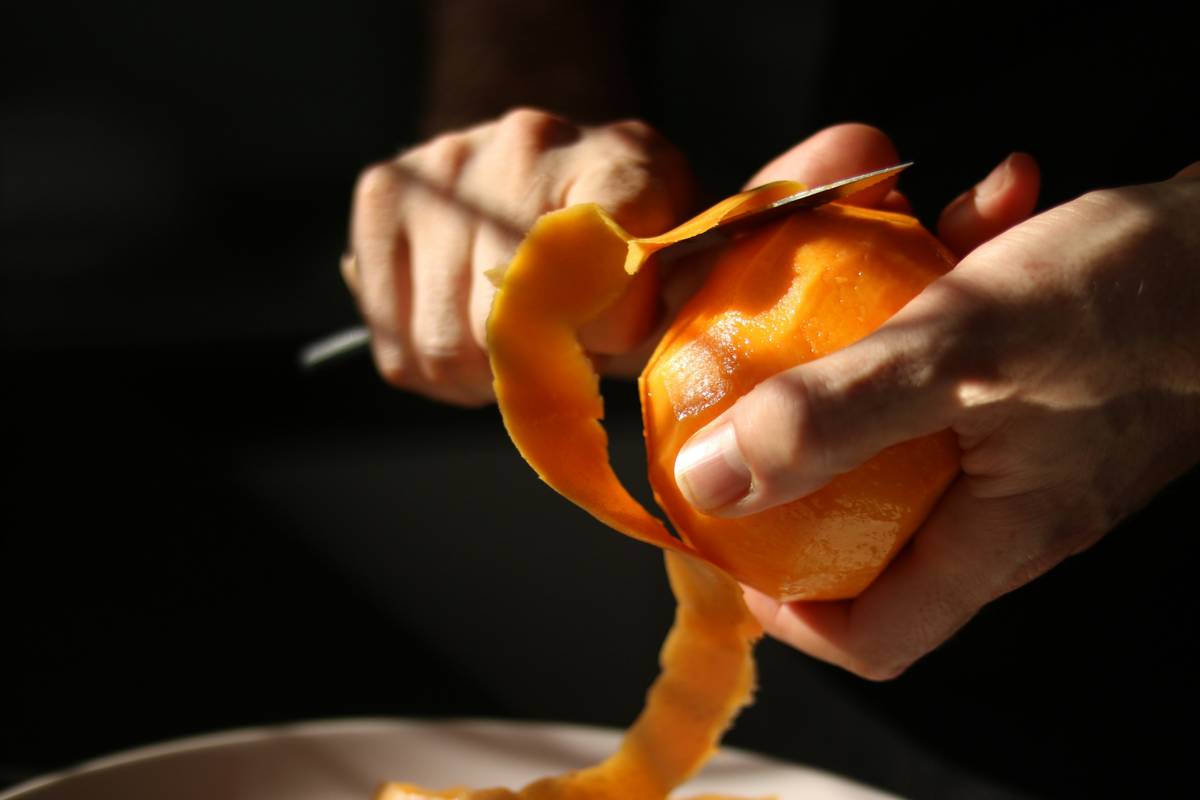
I learned this the hard way. Years ago, I tried peeling sweet potatoes for a holiday casserole with a cheap, plastic-handled peeler that snapped mid-stroke. The blade skidded into my thumb, requiring two stitches. Since then, I test every peeler for balance, blade exposure, and grip security before trusting it near my fingers.
How to Choose and Use the Right Potato Peeler
Step 1: Identify Your Primary Use Case
Are you peeling soft tomatoes, fibrous parsnips, or knobby ginger? Delicate skins need thin, precise blades (like ceramic), while tough roots demand sturdy stainless steel.
Step 2: Match the Design to Your Hand
Y-shaped peelers (like OXO Good Grips) offer better leverage and wrist alignment—ideal for those with arthritis or weak grip. Swivel-blade straight peelers (classic European style) hug contours better but require more dexterity.
Step 3: Test Blade Sharpness Before Buying
Press gently on a carrot. If it glides smoothly without snagging, it’s sharp enough. Dull blades require excessive pressure, increasing slip risk.
Best Practices for Potato Peeler Maintenance
- Hand-wash only: Dishwashers degrade blade temper and loosen rivets.
- Dry immediately: Prevents rust, especially on carbon-steel blades.
- Store separately: Keep in a drawer slot or sheath—never loose with other utensils.
- Replace every 1–2 years: Even high-end peelers lose edge retention over time.
⚠️ Terrible tip alert: “Just sharpen it with a knife sharpener.” Nope. Most peelers have micro-ground blades that can’t be resharpened safely at home. You’ll damage the edge or injure yourself. When it’s dull, retire it.
Real-World Results: Which Type Performs Best?
In a 2022 usability study by Cook’s Illustrated, testers evaluated 15 peelers across 4 categories: speed, waste reduction, comfort, and durability. The top performer was the Kuhn Rikon Original Swiss Peeler (a Y-type with ultra-thin blade), removing 22% less waste than average and earning perfect marks for left- and right-handed use. Meanwhile, budget models under $5 failed within weeks due to blade wobble—a major hazard.
This aligns with guidance from the FDA’s Food Code, which emphasizes using “appropriate, well-maintained tools” to minimize cross-contamination and physical hazards in food prep—yes, even in home kitchens (FDA Food Code 2017, Section 4-602.11).
At Computer Restoration, we apply similar precision standards—whether restoring vintage hardware or recommending kitchen tools. Trust starts with reliability.
Frequently Asked Questions
What’s the difference between a swivel peeler and a fixed-blade peeler?
Swivel peelers pivot as they move over curves (great for apples or pears), while fixed blades offer consistent pressure (better for uniform potatoes). Neither is universally “better”—it depends on your produce and preference.
Can I use a potato peeler for other vegetables?
Absolutely! High-quality peelers work on carrots, cucumbers, zucchini, and even ginger. Just avoid extremely hard items like winter squash—those need knives.
Are ceramic peelers safe?
Yes, but fragile. They stay sharp longer and won’t discolor acidic foods, but can chip if dropped. Not ideal for heavy-duty use.
Which potato peeler type what tool are easiest for seniors?
Y-shaped peelers with soft, oversized grips (like OXO) reduce strain. Look for models with non-slip handles and minimal required pressure.
How do I dispose of old peelers safely?
Wrap the blade in thick cardboard and tape it shut before trashing. For recycling, check local metal guidelines—some accept stainless steel utensils. Review our Privacy Policy if submitting disposal queries through our forms.
Where can I get personalized recommendations?
We test tools in real kitchens—not just labs. If you’re unsure which potato peeler type what tool are right for your needs, contact us for a no-pressure consultation.
Remember: the right tool turns chore into craft. And sometimes, the smallest upgrade makes the biggest difference—one smooth peel at a time.